

The Canvas breach exposed the SaaS security gap we've all been ignoring

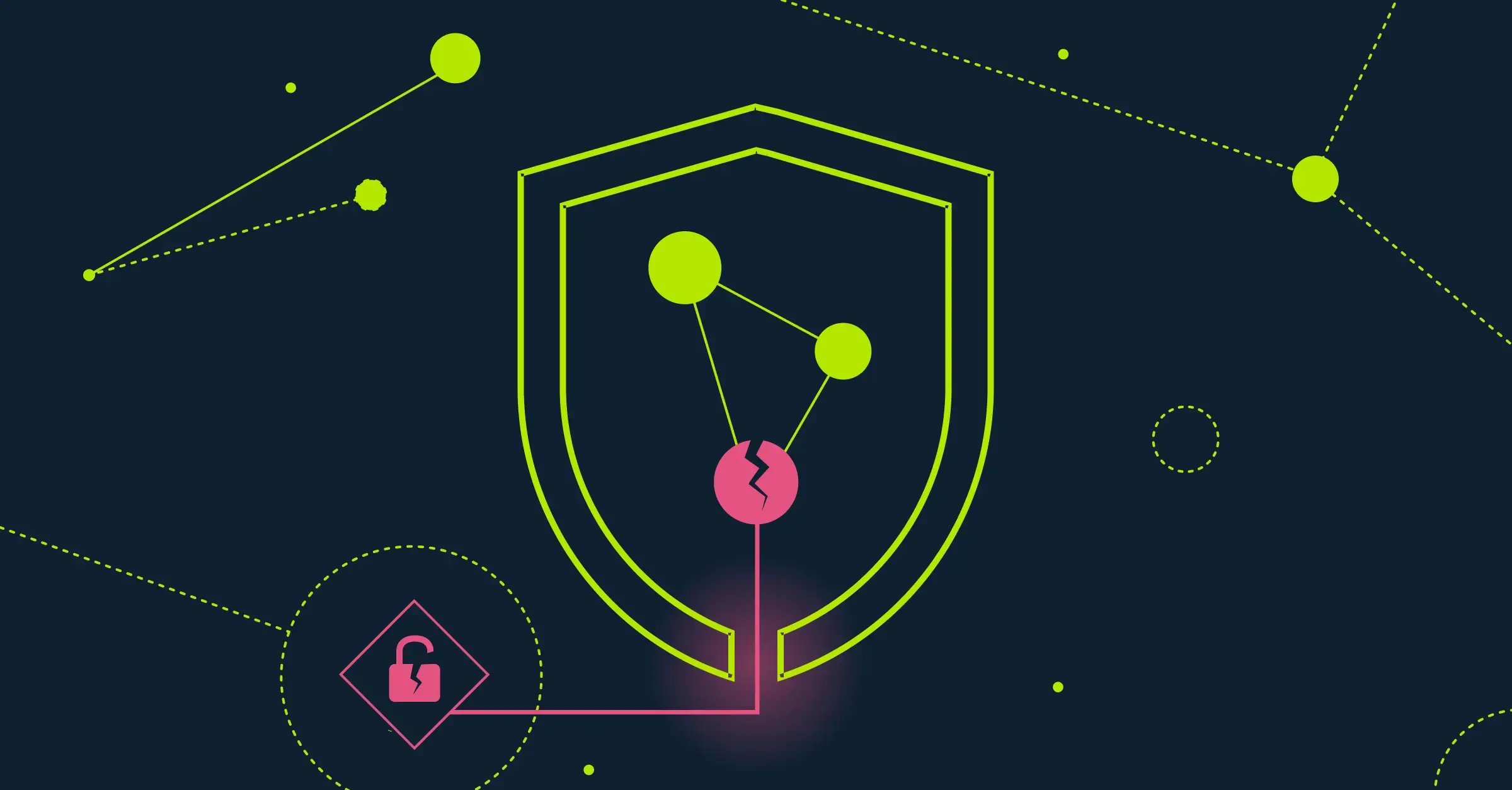

30 million users locked out during finals week. Universities scrambling. Students unable to access coursework, submit assignments, or sit exams.
The ShinyHunters breach of Instructure — the company behind Canvas LMS — wasn't a sophisticated zero-day exploit. According to reports, attackers used voice phishing and fake login pages to harvest employee credentials. The oldest trick in the book. And it worked.
Here's what the post-mortems are missing: it wasn't a Canvas product failure. It was a vendor identity hygiene failure. And most organizations had no way to see it coming.
You bought Canvas's features. Did you audit their security posture?
When universities evaluated Canvas, procurement committees spent months on it. They scored gradebook functionality, LMS integrations, and pricing tiers.
But they didn’t ask: "What happens if one of your employees gets phished?"
That mistake just became very expensive.
When you sign a SaaS contract, you're not just buying software — you're outsourcing a piece of your security perimeter. Every employee at your vendor is a potential entry point into your data. And most organizations have zero visibility into whether that vendor enforces MFA, rotates credentials, or detects impossible travel.
The security model is inverted
A single compromised employee at Instructure could expose data from thousands of universities simultaneously. Meanwhile, your CISO can't see whether that vendor enforces MFA for their own staff.
You control nothing. You trust everything. And when trust breaks, you find out during finals week.
Organizations have spent years building zero trust policies inside their own walls, but for the SaaS vendors holding the most critical data? The default posture is blind faith.
This isn't a Canvas problem. It's a SaaS industry problem.
Look at your SaaS stack right now. How many of those vendors have optional MFA? Credentials that haven't been rotated in a year? No detection for credential harvesting?
The Canvas breach isn't about one vendor's hygiene. It's about the entire SaaS security model being built on trust instead of continuous verification. We've built zero trust systems for our own networks and left the vendor layer completely unmonitored.
What continuous SaaS security monitoring actually looks like
The fix is continuous visibility into the security posture of every app and identity in your environment — including third-party ones.
That means knowing in real time whether vendors enforce MFA for privileged access, detecting when credentials are being harvested or reused across sessions, and treating vendor identity hygiene as a core part of your security program.
Reco gives security teams continuous visibility across their entire SaaS environment: not just the apps your team uses, but the identities connected to them and the hygiene signals that predict the next breach before it happens.
The question you need to answer this week
How many SaaS vendors in your stack right now could be compromised by a single phished employee?
If you can't answer that, you have a Canvas-sized gap in your security program.
→ See how Reco maps your SaaS risk: reco.ai

Cynthia Ardman
%201.svg)
ABOUT THE AUTHOR
Cynthia is a Senior Threat Detection Engineer and CISSP at Reco. She is a former AWS security engineer with expertise in building detection and alerting systems that strengthen organizational resilience. Cynthia has deep hands-on experience with Splunk and incident response, and is driven by a passion for continuous improvement in the face of evolving threats.
Cynthia is a Senior Threat Detection Engineer and CISSP at Reco. She is a former AWS security engineer with expertise in building detection and alerting systems that strengthen organizational resilience. Cynthia has deep hands-on experience with Splunk and incident response, and is driven by a passion for continuous improvement in the face of evolving threats.


.png)


%201.svg)


.svg)