Into the Expanse: A Security Leader’s Guide to the Agent Frontier
Read more

Apps connecting to apps. Agents inheriting permissions nobody signed off on. Identities piling up. Reco Graph maps every one of these connections, continuously, across your entire ecosystem.

Salesforce connects to Slack. Slack runs a dozen agents. Those agents reach into Notion, Drive, and each other, picking up permissions nobody signed off on and touching data nobody flagged. Every new app and every new agent adds another potentially toxic combination to a web that was already too tangled to see.
Reco Graph closes this visibility gap by giving you a continuously updated map of every identity, permission, connection, and action across your agent and app ecosystem. Human and machine, all of it, at once.
Learn more about toxic combinations →
Every user, service account, agent, bot, and MCP server gets named and attributed, with an owner, a creation date, and a risk score.
OAuth scopes, roles, API keys, and delegated access, scored against least privilege. Stale and over-scoped grants surface on their own.
Every connected agent, SaaS app, API, database, and external service the identity can touch is mapped to surface toxic combinations and high-risk paths.
API calls, data reads and writes, and agent-to-agent messages get measured against a behavioral baseline. Off-hours spikes, new endpoints, and volume outliers trigger an alert before damage happens.

Single-point tools only see where their isolated interface sits, leaving massive blind spots across machine-to-machine integrations and shadow agent adoption. Reco connects across seven telemetry sensors, feeding the signals into the Reco Graph to correlate every relationship, surface toxic combinations, and calculate exact blast radiuses across your entire ecosystem.
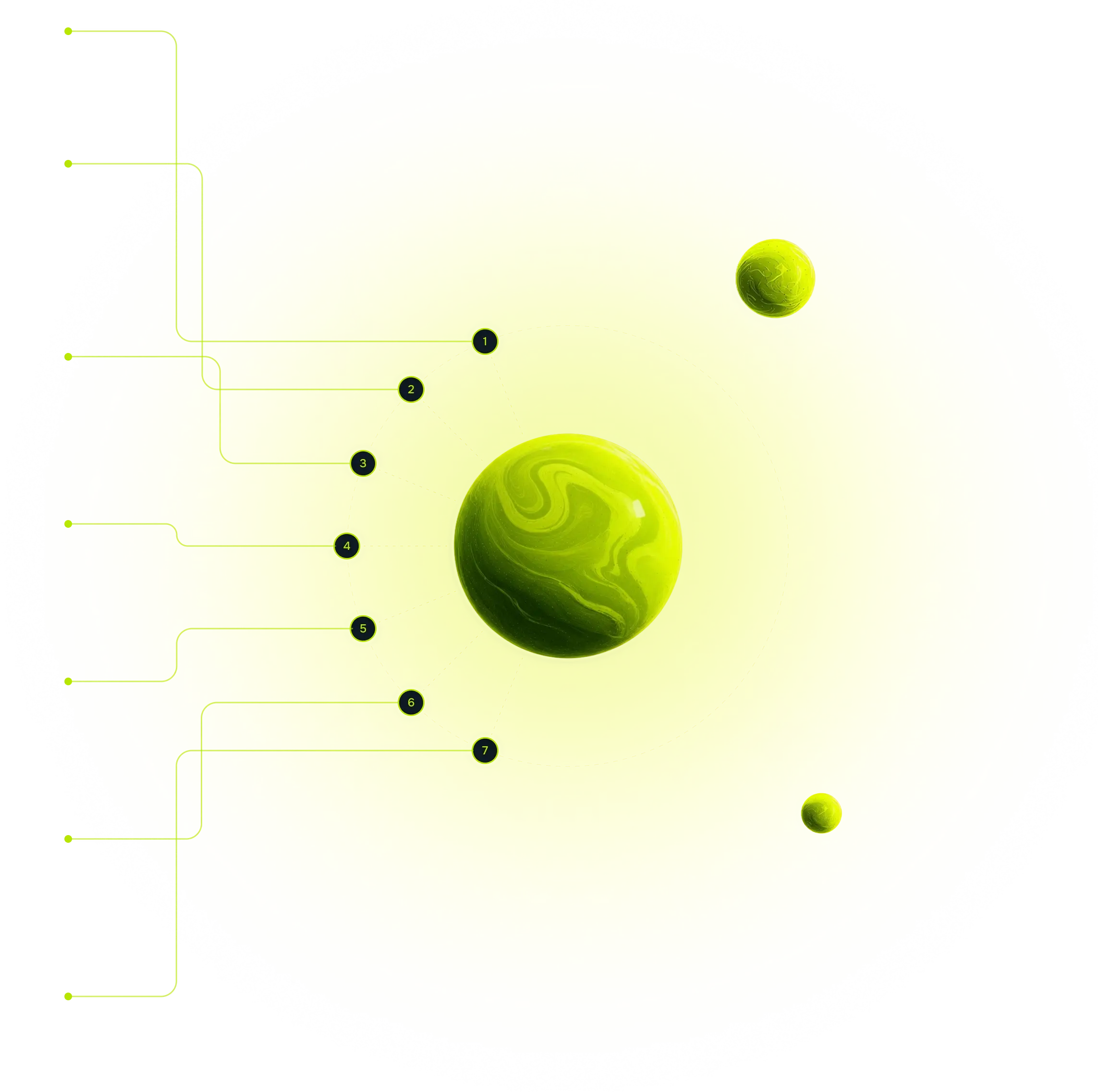
Users, service accounts, directory groups, auth events, and MFA posture
Okta, Microsoft Entra ID, Google Workspace, Ping Identity
Deep API-level configurations, user/agent entitlements, workspace settings, and object relationships across hundreds of out-of-the-box integrations
Salesforce, Microsoft 365, GitHub, Workday, ServiceNow, Slack, Notion
OAuth token grants, delegated scopes, API keys, marketplace plugins, and app-to-app lineage
Google Workspace Marketplace, Microsoft AppSource, Slack App Directory, GitHub Apps
Security Service Edge (SSE), Secure Web Gateway (SWG), CASB, and DNS traffic signals and egress logs
Zscaler, Netskope, Microsoft Defender for Cloud Apps
Device-level application usage, host-level process execution, and local runtime telemetry
CrowdStrike Falcon, SentinelOne, Microsoft Defender
Inbound/outbound message headers, routing metadata, and workspace event logs (headers and metadata only—never email bodies)
Gmail, Microsoft 365 Exchange, Slack
Client-side web interactions, unvetted web agent usage, personal account logins, and extension permissions at the point of click
Chrome, Edge, Safari, Brave






Reco Graph is built entirely from API-level integrations with the apps you already run. There’s no inline traffic interception, no gateway to deploy, break, or maintain.
Instead of bringing in a new, resource-heavy piece of infrastructure, Reco reads what’s already there and keeps the graph current as your stack changes, on its own, without a change-management ticket.